






The gaucho is our cowboy.
He lives on horseback. He tames colts, rides in the rodeo, works cattle from dawn to dark. We write songs about him and his horse.
And when that horse gets old, or lame, or just isn't worth feeding anymore, he sells him.
Not to a family. To the trader. By the kilo.
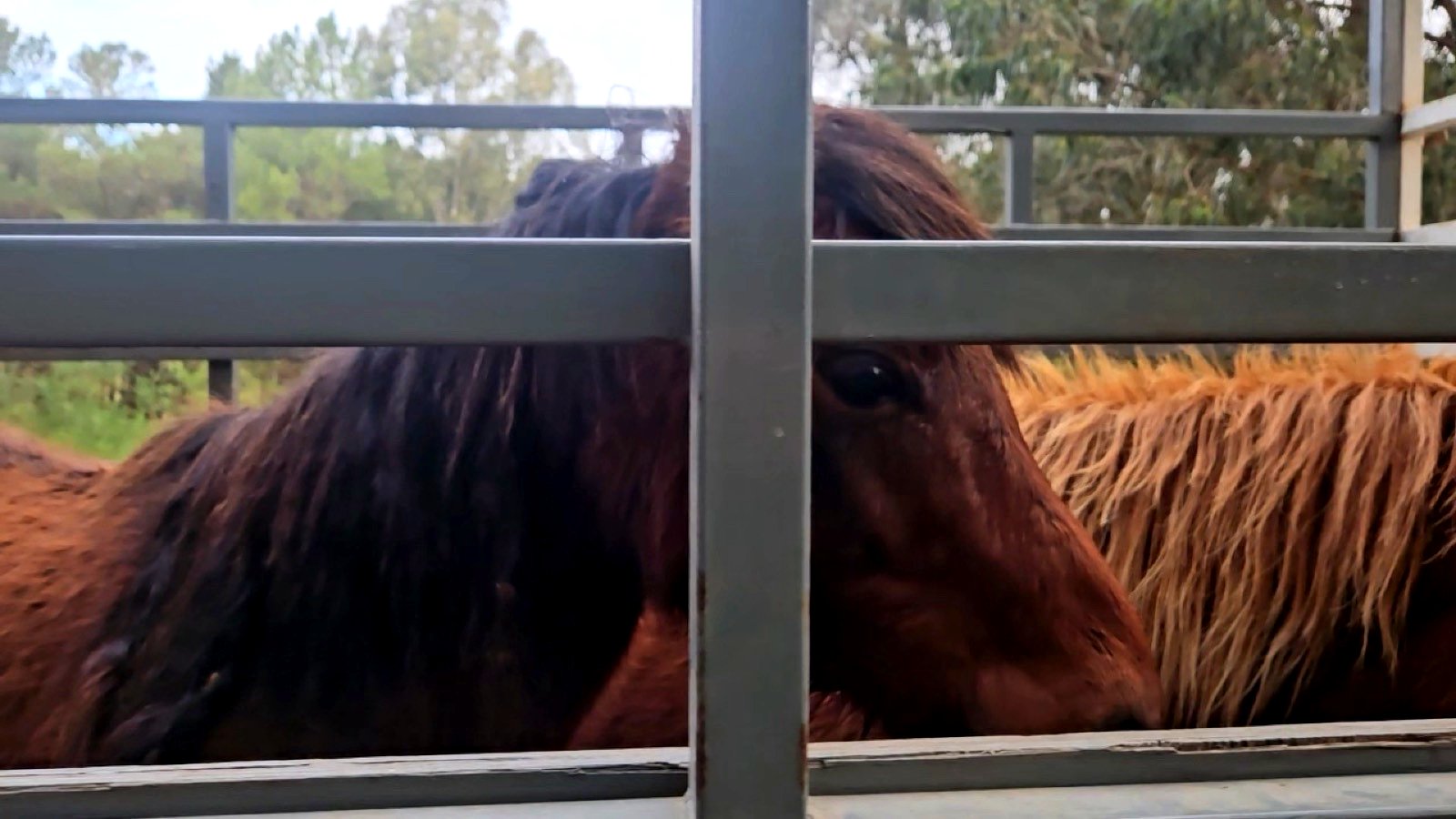
But it isn't only the old and the lame.
Most of the horses I see on those trucks are young and healthy. Colts born free on big ranches, who have barely seen a person. Beautiful animals.
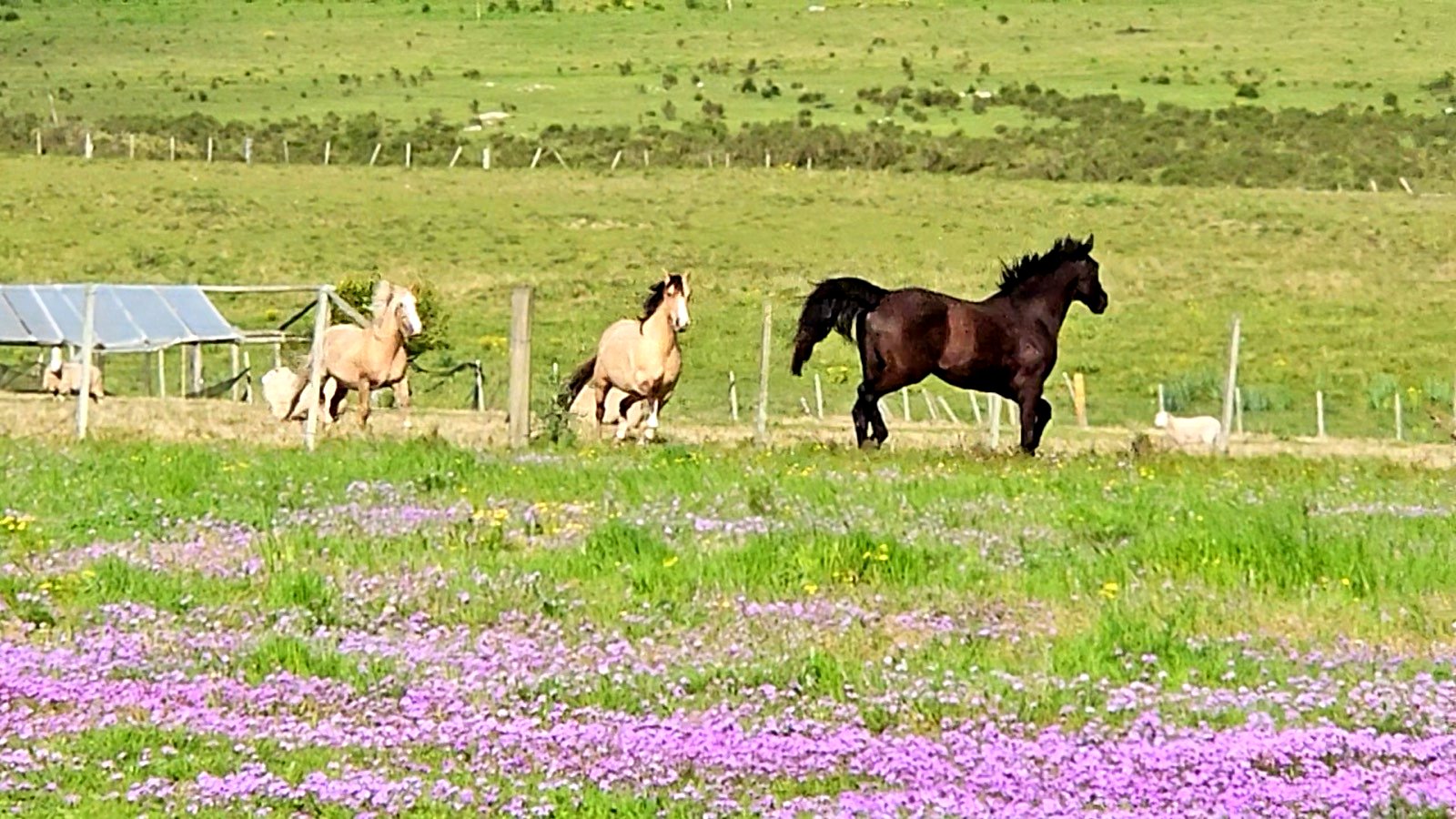
They go because the field got too small. Because the grass ran out. Because the herd grew. Or because someone needed the money.
Even a skinny horse sells here. The trader comes to you, loads him on the truck and pays you cash. An hour down the road, the slaughterhouse is waiting.
In America, an unwanted horse is often given away for nothing. Here, nobody gives a horse away. The slaughterhouse sets his price. So every horse we save, we have to buy first.
That's the tradition. Nobody here thinks twice about it.
This gaucho thinks twice.
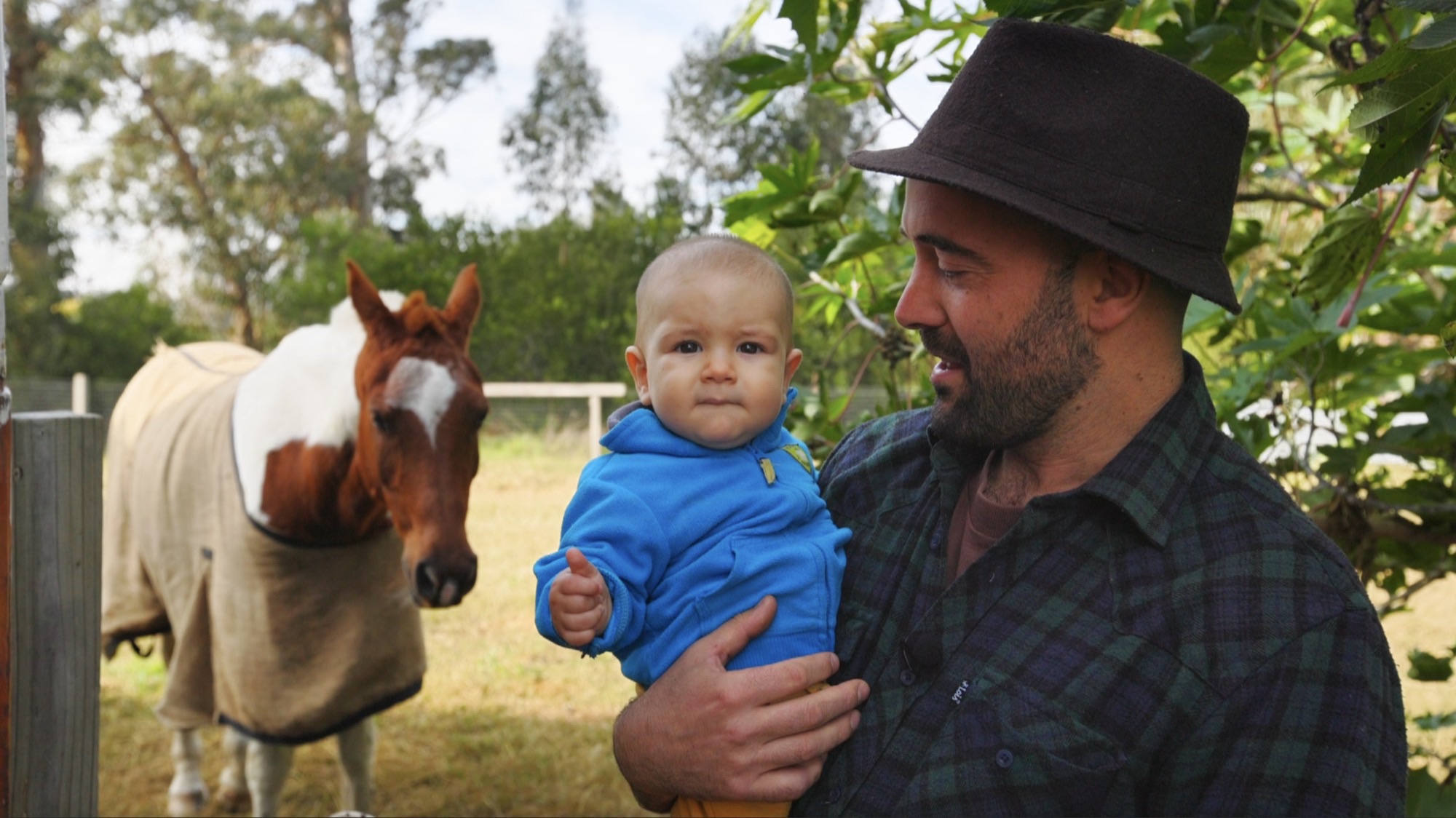
I grew up in Punta del Este, on Uruguay's coast in South America, around horses and the men who ride them. I was the kid who couldn't sit still in school. Turns out I can sit for hours on a fence, waiting for a horse to decide whether to trust me.
I helped start a rescue that saved more than 1,500 horses. Over 400 of them I placed myself, one by one, with families across Uruguay.
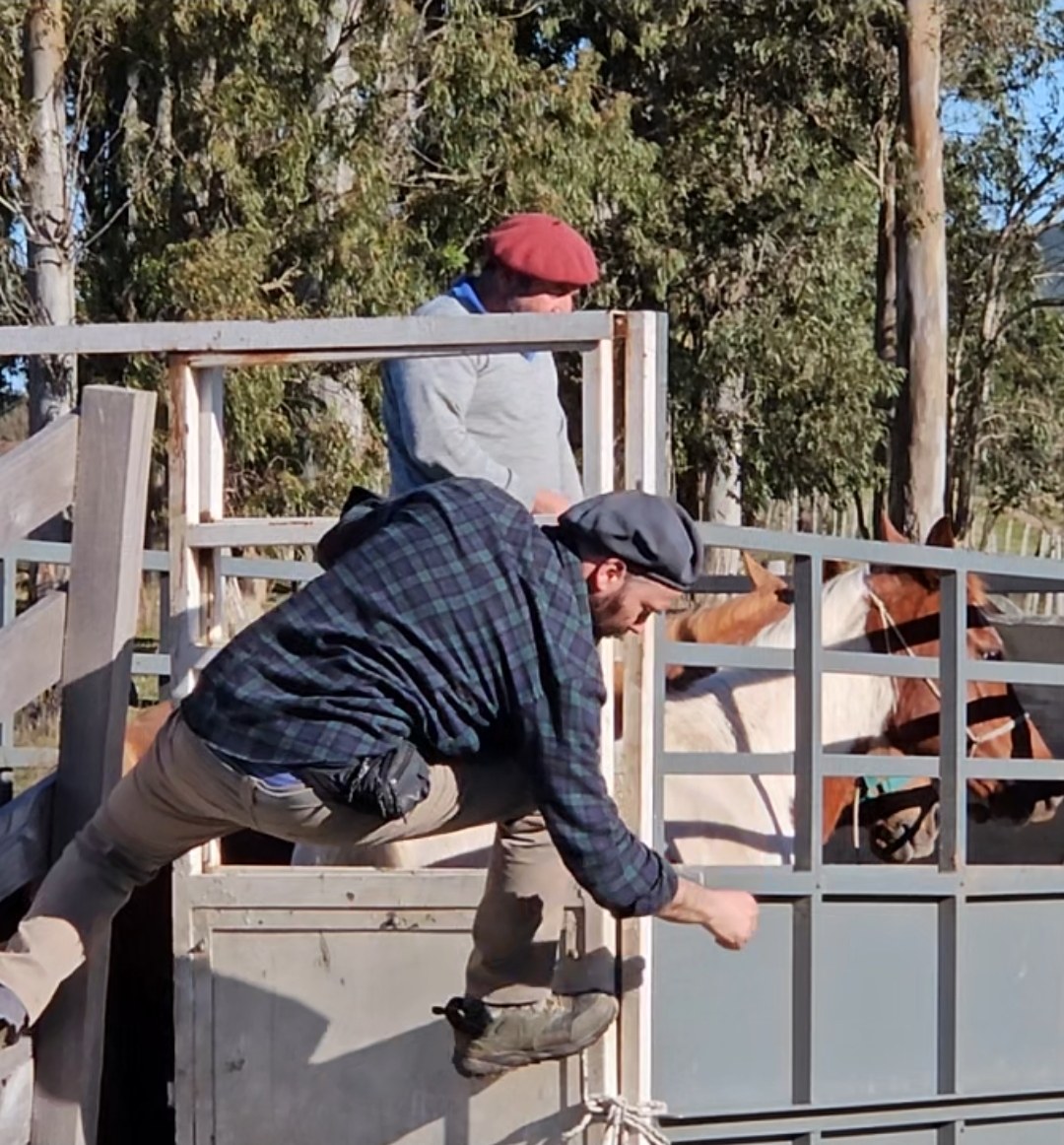
Now I do it the old way, one horse at a time. Galán, the racehorse nobody wanted. Fidei, who got off the truck instead of onto it. Baltasar, who galloped into his new home on October 15.
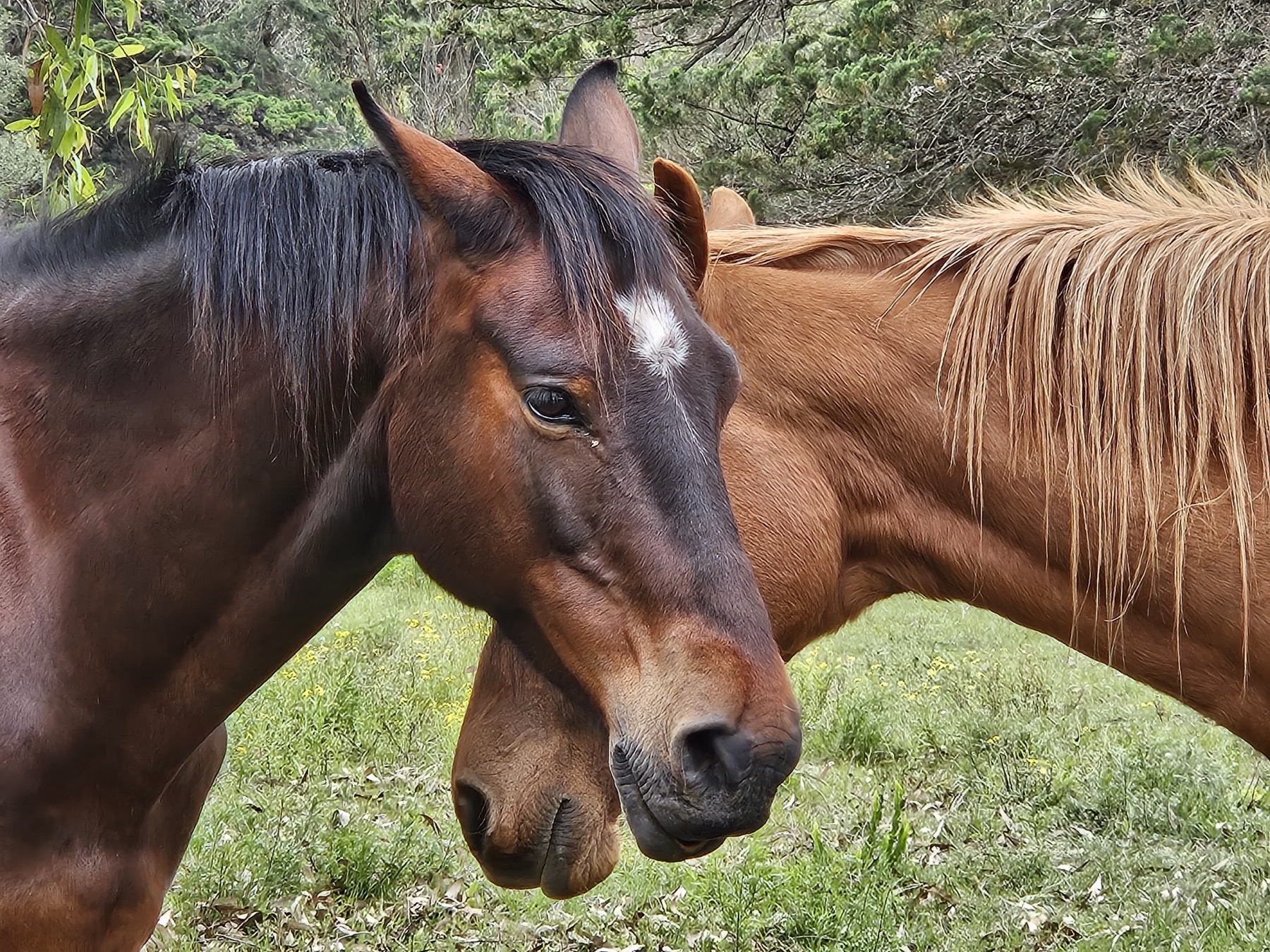 Morgan
Margaret
People who have stood at this fence
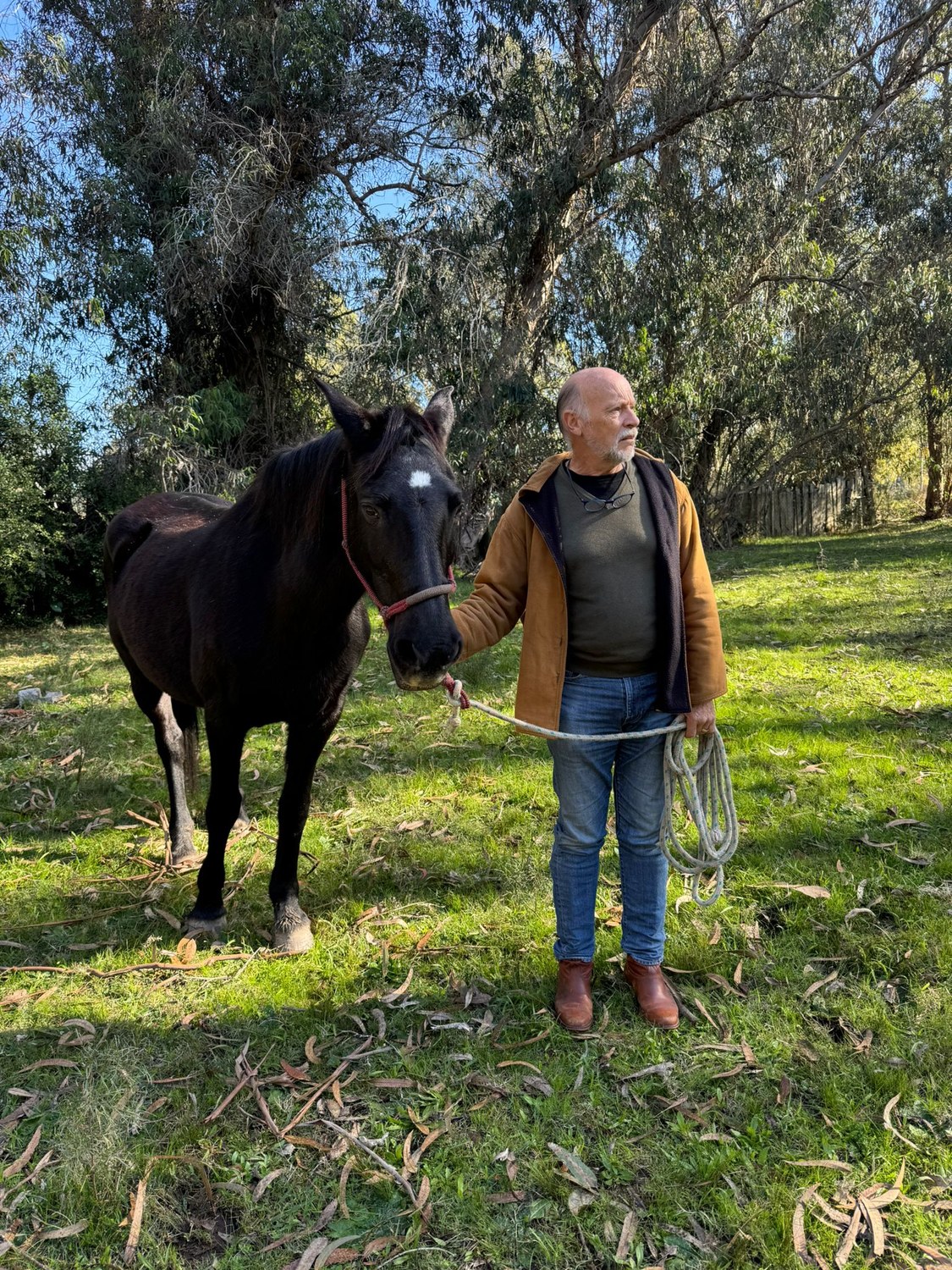
"I live a simple life, in a mud house, with La Negra. She's a Hanoverian cross, and she's family now. I was the first person to sponsor Gaucho Sanctuary, and I'd do it again tomorrow."
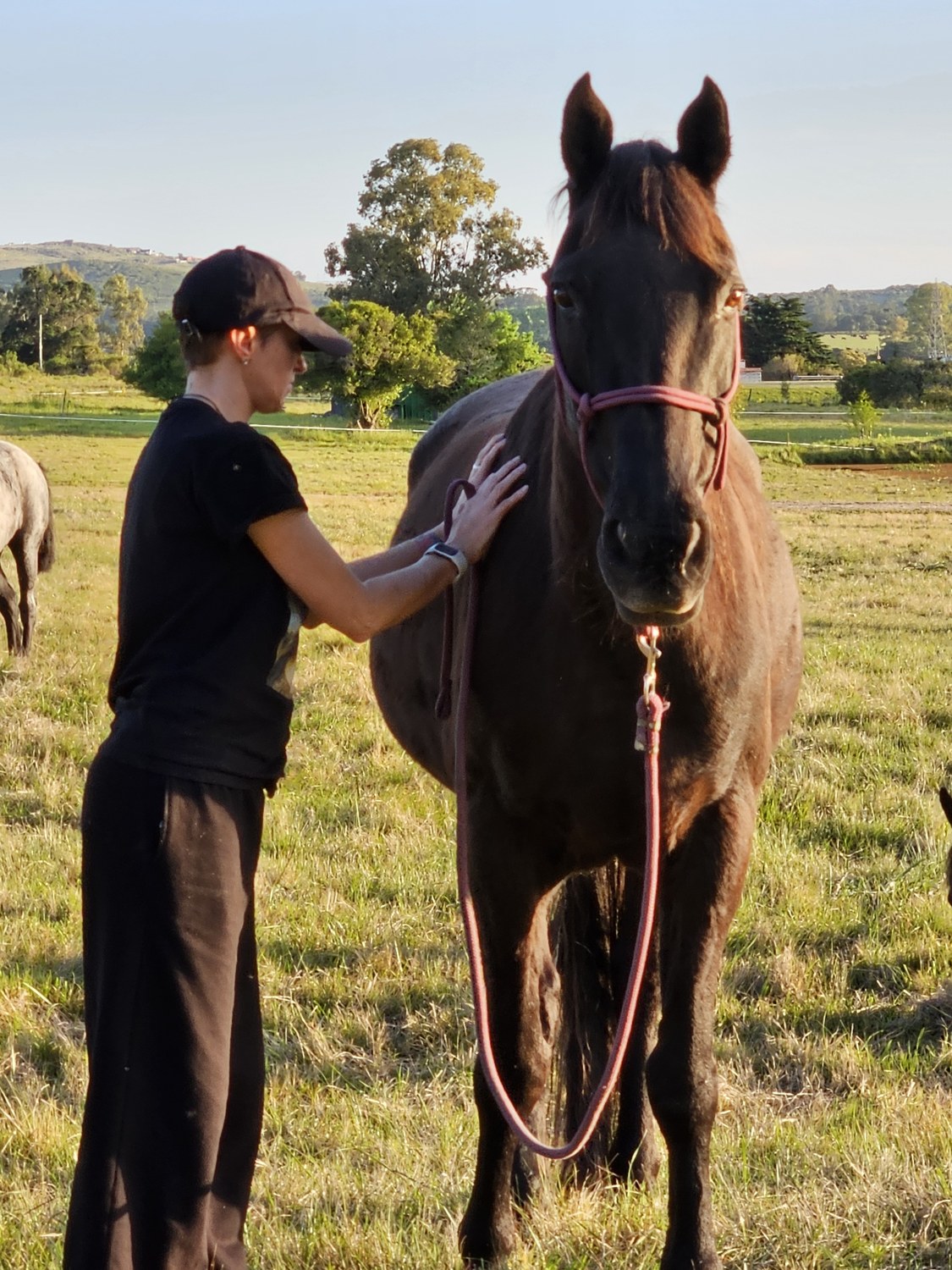
"Martín and I met in business school. What we really had in common was horses. I came to the sanctuary at a hard time in my life. Baltasar stood still and let me lean on him. Nobody had to explain what this place is for."
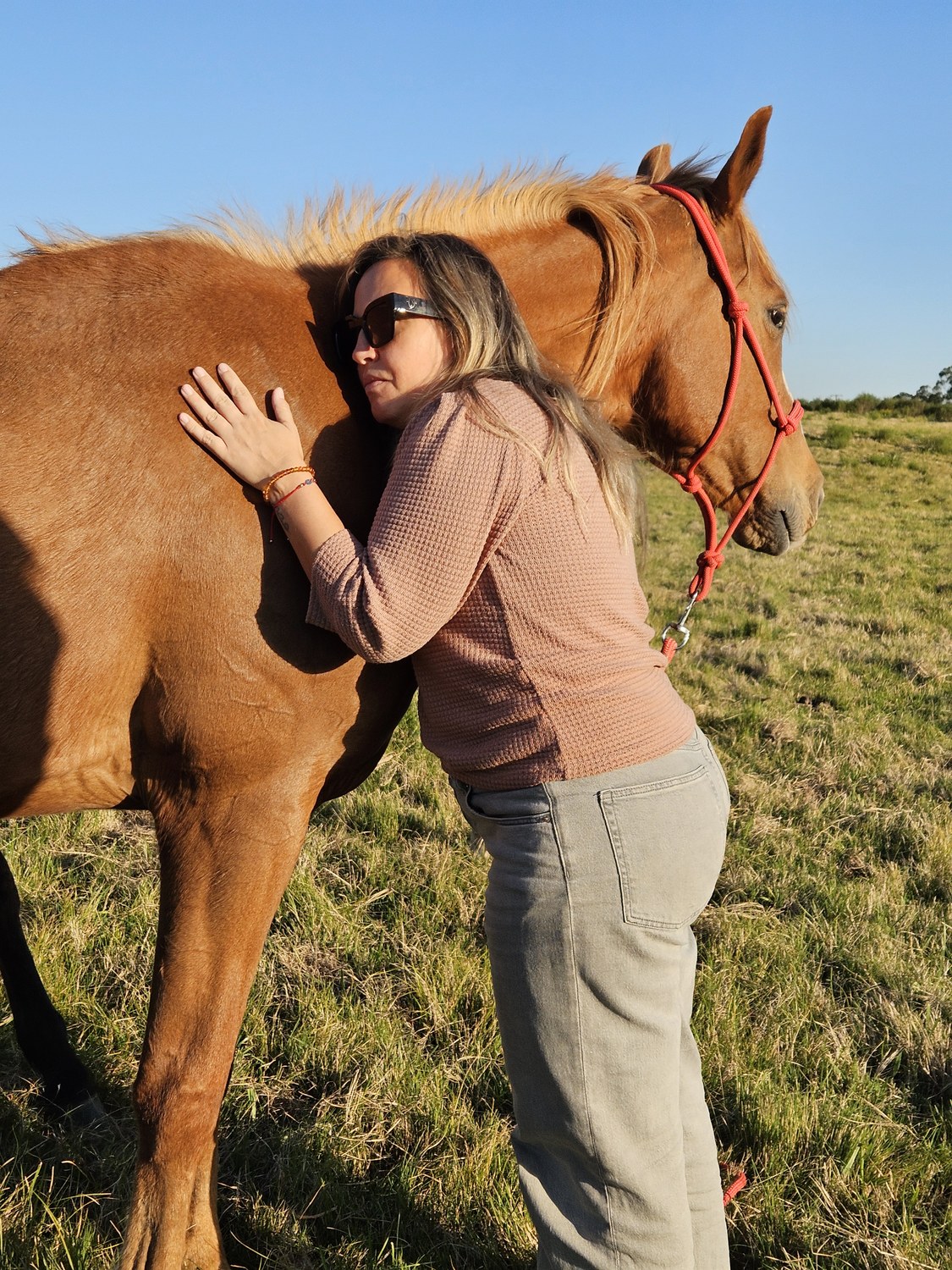
"I work for a software company in Montevideo, and I didn't know Martín at all. Lucía brought me. Margaret walked straight up to me and that was it. Five minutes with Martín and you know he's doing what he loves."
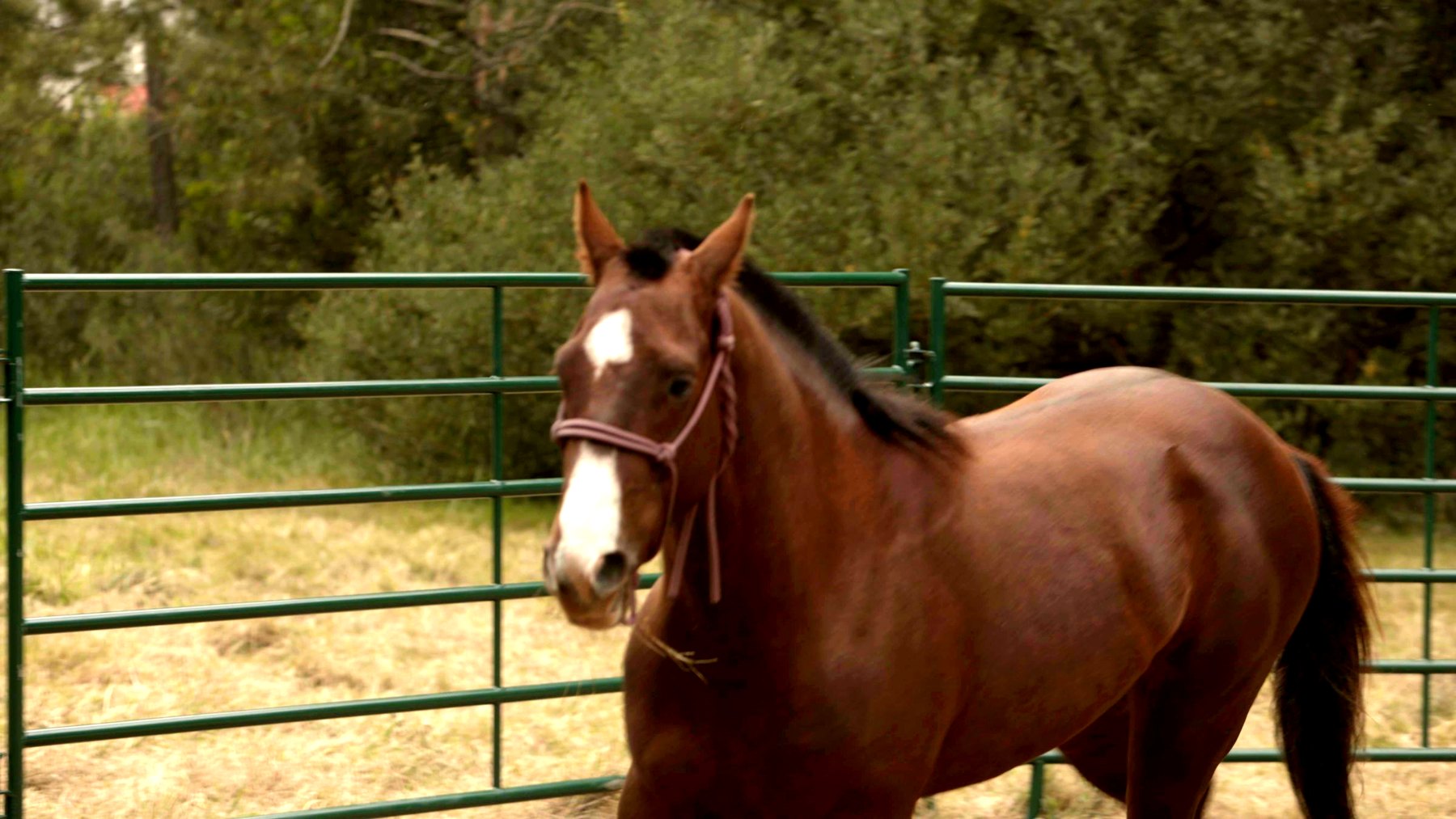
Coming up in the diary
Galán is about to run free.
He's a Quarter Horse, bred to race. He won the only race he ever ran. Then they sold him, cheap. I'm almost sure it's his knee: it locks, and he limps. A racehorse that can't race is worth one thing to the trade. His weight.
He came to me a stallion, sure he owned the world. We gelded him, and for six weeks he's been learning to live with others: to share the grass, to wait his turn, to let a person close.
Soon, for the first time in his life, he'll run loose with a herd, out in the open field.
I'll write it the day it happens. Be inside when it does.
Gaucho, I'm in!Pull up a spot on the fence.
Leave your email and I'll write to you. Short letters, straight from the field: who arrived, who's healing, who just went home.
Here's what's coming. Ten horses, still in the trader's yard. I'm going back for them before the truck leaves. You'll watch every one come off.
And when one finds his home, his sponsors carry the next one out. One goes home, the next comes off. The wheel never stops.
I'll be the one writing to you.
Martín
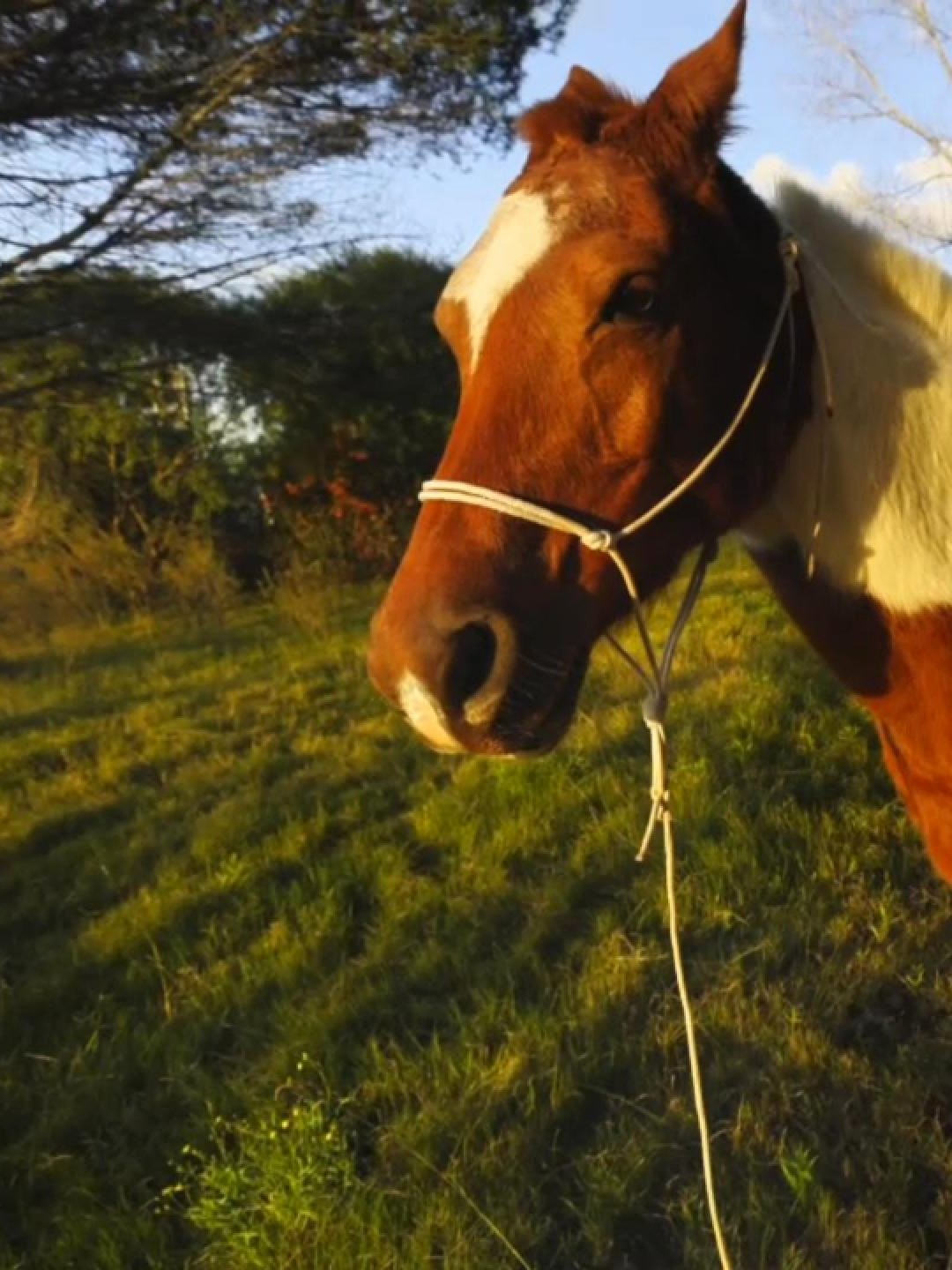
Free with your first letter
The gaucho's rope halter. Yours, free.
How a gaucho makes a rope halter for almost nothing: a length of rope, two hands and a little patience. This is how good it looks on Fidei.
Save your spot on the fence and you get:
- Galán's first day running free (any day now)
- The next ten horses off the truck, one by one (coming soon)
- Short letters from the field, straight to your inbox
- The rope halter guide, step by step. Free. Instant access
Free. No donation asked to come in. Leave whenever you like. It's just an email, from time to time.